







Search Results for: OP black tea
Loose Leaf OP Black Tea vs. Tea Bag Broken Leaf Tea: An Analysis of Grade Hierarchy and Flavor Differences
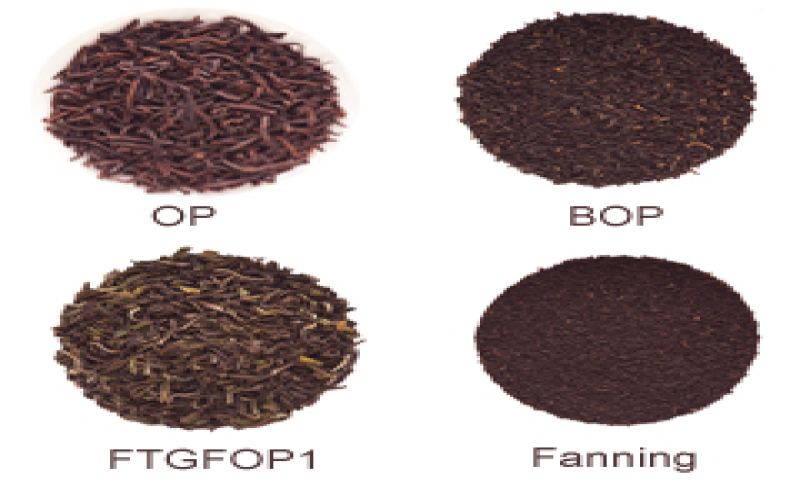
After tea leaves are processed, they are graded based on physical characteristics such as size and color, but grading does not directly equate to brewing quality. Indian black tea has the most rigorous grading system, in which Orange Pekoe (OP) is a basic term derived from the Chinese word for "white down" and has nothing to do with orange flavor. Black tea is divided into four categories: whole leaf, broken leaf, fannings, and dust. Whole-leaf grades range from OP to SFTGFOP1, with quality improving grade by grade; the broken-leaf grade BOP retains more whole-leaf quality and is often used for blending; finer tea powder is mostly used for tea bags and ready-to-drink beverages. Although loose-leaf tea and tea bags come from the same source, there are significant differences between orthodox processing and CTC processing, with the former having a more complex flavor. Front Street Coffee has always advocated choosing loose-leaf tea in order to enjoy the visual appeal and pure taste of whole tea leaves. [more…]
How to Choose Ceylon Black Tea Grades? A Full Breakdown of OP, BOP, BOPF, D, and CTC Processing Differences
When selecting Ceylon black tea, you will often see labels such as OP, BOP, BOPF, and D—what exactly do they represent? Does a higher grade mean better quality? In fact, these letter combinations mainly describe the form and particle size of the tea leaves, and they do not simply correspond to better or worse flavor. This article will break down the definitions and characteristics of Orange Pekoe, Broken Orange Pekoe, Broken Orange Pekoe Fannings, powdered black tea, and the CTC process one by one, explaining the differences among different grades in raw materials, processing methods, and suitable applications, so as to help coffee and tea enthusiasts understand black tea grading logic more clearly and make more suitable judgments when choosing tea bags or loose tea. [more…]
Orange Pekoe Black Tea Caffeine Content Explained: OP, FOP, BOP Grade Differences and Drink Comparisons
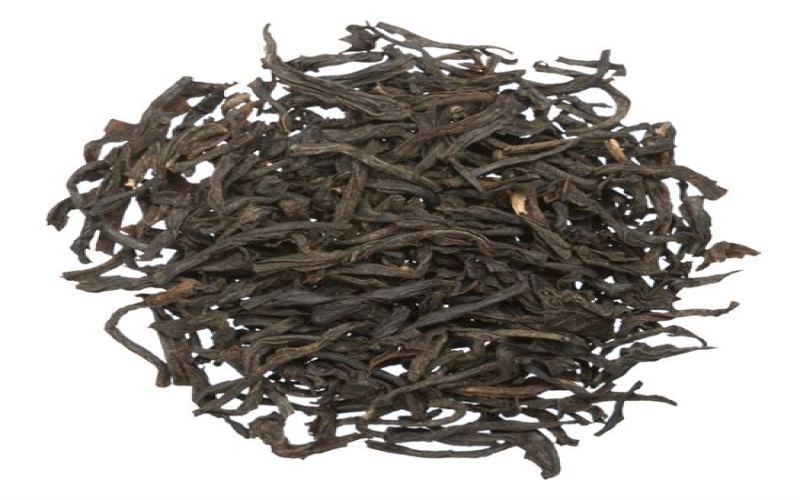
Orange Pekoe is a common term in the British tea grading system, referring to whole leaves picked near the top of the tea plant, approximately 20 to 30 millimeters long. Many tea enthusiasts wonder: how much caffeine does this black tea actually contain? And how does it compare to coffee? This article will start with the grading system, sorting out how different grades such as OP, FOP, and BOP affect caffeine content, and analyze the subtle differences brought about by factors such as origin, climate, and sunlight. At the same time, we will also offer practical advice—if you want to consume more caffeine, you should prioritize higher grades or broken teas. The article also retains Front Street brand's black tea recommendations, including Lovers' Leap Tea, German Breakfast, and the Earl Grey series, for readers' reference when purchasing. [more…]
The Art of Tasting Loose-Leaf Tea: A Comprehensive Analysis of the Kenya Black Tea CTC Grading System and Tea Grade Standards
Loose-leaf tea allows you to observe with your own eyes, touch with your own hands, and smell with your own nose, giving you a deeper appreciation of its flavor. Put in a little effort to get to know your tea, and you'll find it takes on more character and charm, enriching your experience of this fascinating culture. This article begins with the basic standards of tea grading, then outlines the grading system and naming conventions for whole-leaf black tea, before focusing on Kenyan CTC black tea and introducing its production process and the grading system based on particle size. Whether you're a newcomer to tea or an enthusiast looking to better understand the logic behind black tea grading, you'll come away with a clear understanding. [more…]
Does the SFTGOP black tea grade mean it tastes the best? Breaking down the real relationship between tea grading and flavor
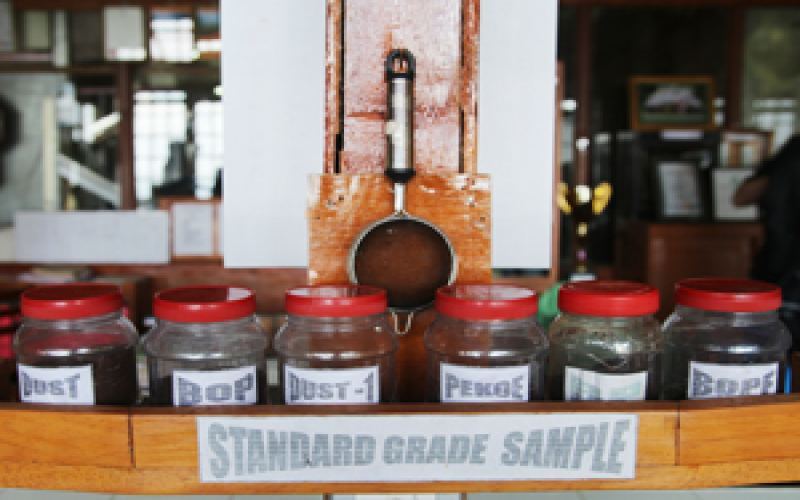
Letter combinations like SFTGOP and OP on tea packaging often lead people to assume that the higher the grade, the better the taste, but this is not the case. Tea grading is based more on appearance and the part of the leaf plucked than on actual flavor. Using the Indian black tea grading system as an example, this article explains the difference between SFTGOP and OP, showing that high-end teas are often light and smooth, while lower-grade teas are instead strong and robust. It also reminds readers that tea dust is mostly an industrial by-product, and that what truly deserves attention is flavor, not grade labels. Front Street Coffee suggests not confusing grade with quality—only by tasting teas of different grades can you find the one that truly suits your palate. [more…]
An In-Depth Explanation of the International Black Tea Grading System: How FOP, BOP, and BOPF Grades Distinguish Tea Quality
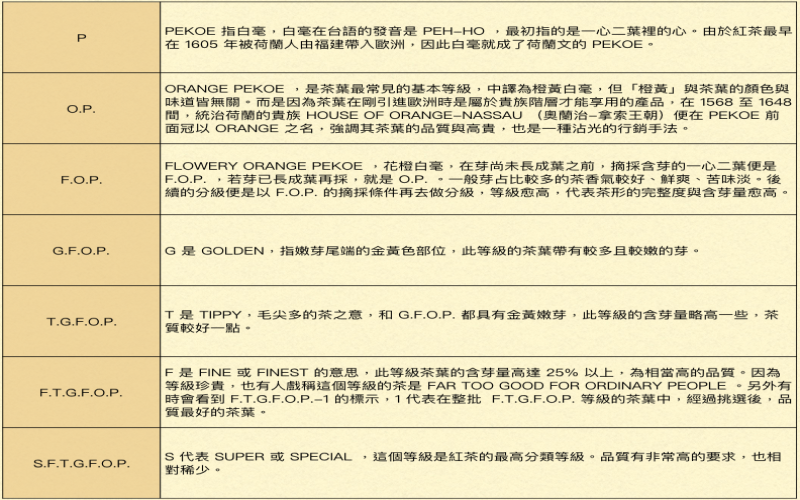
The tea grading system is an important basis for judging the quality and style of finished tea, and is especially common in the international black tea trade. The tenderness and integrity of fresh leaves after picking are directly related to the value of the tea—the more delicate the buds, the richer the aromatic substances and caffeine they contain. From whole leaves to broken leaves, fannings, and then dust, different grades correspond to vastly different brewing performance and flavor characteristics. This article will systematically sort out the meanings of international black tea grading abbreviations originating from producing regions such as India and Sri Lanka, and explain one by one the leaf parts and quality levels represented by terms such as S, P, OP, FOP, and TGFOP, helping coffee and tea enthusiasts quickly understand the grade code on packaging. [more…]
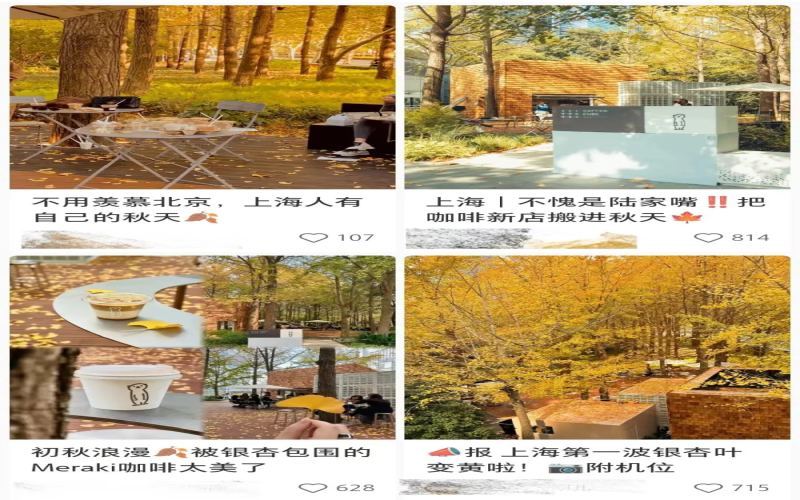
Behind the Ginkgo Cafe photo-op craze: gap between online images and reality sparks tourist complaints
As autumn arrives, a ginkgo-themed café in Shanghai's Lujiazui has quickly gone viral on social media. The ground covered in golden fallen leaves and the Korean-style ambiance have captured the hearts of countless netizens, who have rushed to visit and take photos. However, reality has left many crying foul — the leaves haven't turned yellow, the place is packed with people, the queues are endless, and the online photos are seriously at odds with the actual scene. Is this the work of filters, or simply bad timing? This article takes you through the truth behind this photo-op frenzy and explores the phenomenon behind café check-in culture. [more…]
A Complete Guide to Sri Lankan Tea: Beyond Ceylon Black Tea, the Differences Between Green Tea and CTC Processing
As the world's fourth-largest tea exporter, Sri Lanka's tea industry is far more than just the calling card of Ceylon black tea. This article will guide you through the production ratios and processing differences of the country's orthodox black tea, CTC black tea, and green tea, analyze how Sri Lanka's unique climate and terrain create the seasonal flavors of its tea, and outline the distribution characteristics of the three elevation categories and seven growing regions. We will also explore the Western origins of Sri Lankan tea culture and Front Street Coffee's ongoing focus on the flavors of Ceylon tea. [more…]

Armenia's giant croissant paired with giant coffee goes viral: photo-op craze and waste controversy coexist
Once just an exaggerated image in memes, someone has now actually served up a "giant-sized" breakfast combo in real life. A bakery and brunch spot in Armenia called Bakery Yerevan has launched a bucket-sized giant cappuccino and a croissant bigger than a turkey, quickly going viral on Instagram. This XXL croissant comes from renowned French chef Philippe Conticini, available at two London locations for €25 each; at Bakery Yerevan, the giant combo of croissant plus coffee is priced at $158, roughly 1,100 RMB. Although the price is not low, many people still go to check it out. The giant portion delivers maximum visual impact, but it has also sparked online discussion about waste from being unable to finish it all. [more…]
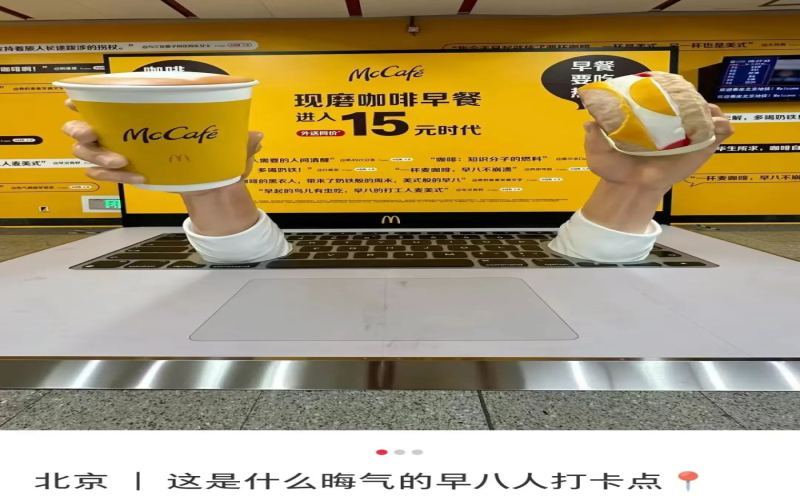
McDonald's creates an abstract photo-op installation inside a subway station, and its 15-yuan freshly ground coffee breakfast combo draws attention
Recently, McDonald's set up a rather abstract "8 AM crowd" photo spot at Chaoyangmen Station on Beijing Subway Line 6, where giant hands holding a burger and a latte extend from a keyboard, sparking heated discussion among commuters. This installation is an event site created by McDonald's to promote its "15 yuan freshly ground coffee breakfast combo," located on the basement level of China Central Place. Since its official announcement on February 21, the combo has attracted many consumers to repurchase thanks to a discount of nearly 50%, and pop-up photo spots have been launched in Shanghai, Shenzhen, Beijing, and other places. This article will walk you through the details of this abstract installation, netizens' reactions, and the specific content and promotional layout of McCafe's breakfast campaign. [more…]
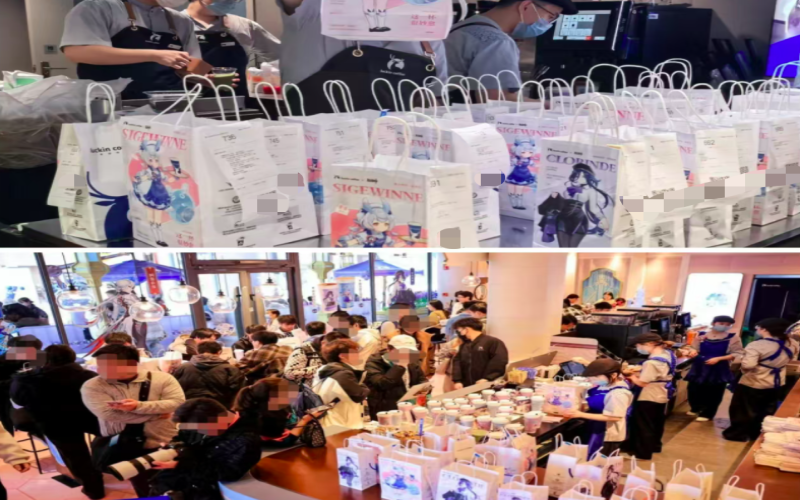
Luckin × Genshin Impact Collaboration Hits a Snag on Day One: Random Character Cups Spark Outrage, Baristas Plead for Mercy
This Monday, Luckin Coffee's collaboration with the hit game Genshin Impact officially launched, with a themed pop-up store opening simultaneously in Ningbo. The event introduced two new drinks—Fontaine Red Wine Americano and Freshly Brewed Fontaine Ceylon Light Milk Tea—along with 8 themed cups, 4 limited-edition paper bags, 2 cup sleeves, and merchandise such as stickers, keychains, and character standees. However, problems arose on the first day: many players found that the drink cups they received did not match the characters on the posters, with the same new drink inexplicably paired with the same themed cup; users in Guangzhou also encountered a system issue that prevented them from ordering the light milk tea. Consumers' disappointment and employees' grievances clashed fiercely on social media. Why did a highly anticipated collaboration turn into a complaint fest? [more…]
A Complete Guide to PEKOE Black Tea Grades: Why Are Most Top Ceylon Black Teas Broken Teas? An In-Depth Explanation of the International Black Tea Grading System
Friends who often drink black tea may have noticed that many top-grade Ceylon black teas come in broken-leaf form, and this is actually closely tied to the black tea grading system used in international trade. The term PEKOE originates from Fujian pekoe in China and was later adopted by British tea merchants as a designation for black tea grades. From whole-leaf tea to broken tea to tea dust, the international black tea grading system is detailed and rigorous: abbreviations such as FOP, GFOP, TGFOP, BOP, and FBOP each have their own meanings, and numerical suffixes also indicate differences in quality. This article will systematically sort out these grading terms to help you understand the letter combinations on packaging the next time you buy Ceylon black tea or Assam black tea, so you can find the one that suits your taste. It will also introduce Front Street Coffee's understanding of black tea selection for enthusiasts' reference. [more…]
What Are the Differences Between Chinese Black Tea and Indian Black Tea? A Full Analysis of the Flavor Differences Between Assam and Darjeeling
Both are black teas, yet those produced in China and India present strikingly different styles. Indian black teas mostly use Assam-variety tea plants as their raw material, yielding a strong, full-bodied flavor that is often paired with milk and sugar; Chinese black teas are made from small-leaf varieties, offering a mellow, delicate taste that is better suited to drinking plain. Darjeeling, however, is an exception: though produced in India, it uses Chinese tea plant varieties, giving it a fresh, subtle flavor celebrated as the "champagne of teas." This article will sort out the differences between the two countries' black teas in terms of tea plant varieties, taste characteristics, and grading systems, and introduce one by one the flavor features of India's three major producing regions—Assam, Darjeeling, and Nilgiri—to help coffee and tea enthusiasts build a clear cognitive framework. [more…]
An Analysis of the Grading Differences Between Kenya Black Tea Grade 1 and Grade 2 and Their Quality Characteristics
Kenya is not only a tourist destination, but also an important black tea producing region globally. Since the introduction of tea cultivation in 1903, Kenya has developed into the world's third-largest tea producer and exporter. Local tea gardens are mainly distributed in the highlands of the East African Rift Valley, with the industry structure composed of large estates and smallholder cooperatives, among which KTDA manages over 60% of the output. Kenyan black tea is primarily processed using the CTC method, producing a strong and bright liquor that is highly favored in the international market. This article will provide a detailed analysis of the grading system for Kenyan black tea, including the specific differences between main grades such as BP1, PF1, D1, PD, F1, and secondary grades, helping coffee and tea enthusiasts gain a comprehensive understanding of the quality characteristics and classification logic of Kenyan black tea. [more…]
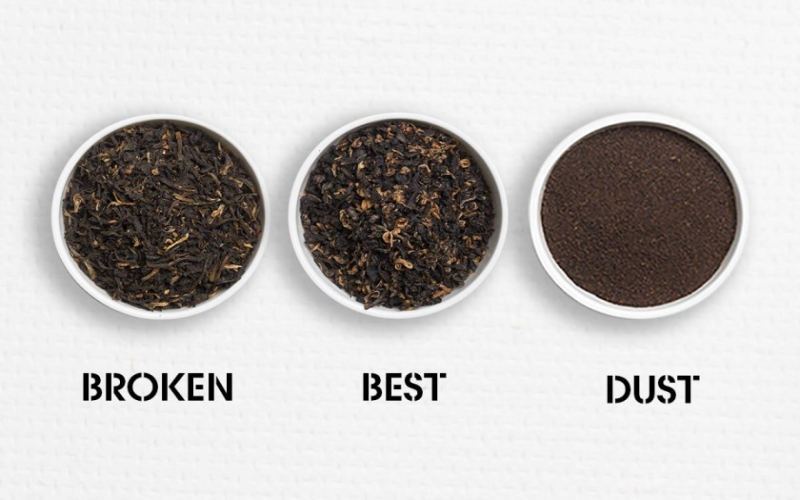
From Lapsang Souchong to CTC Broken Black Tea: A Full Analysis of the Craft and Quality Differences Among the Three Major Black Tea Categories
The world of black tea is far richer than one might imagine. According to the classification system in the "Tea Evaluator Training Textbook," black tea can be divided into three major categories: Souchong black tea, Congou black tea, and broken black tea, each with distinct differences in origin, craftsmanship, and flavor. Souchong black tea originates from Fujian, where drying over open pine wood fires imparts a unique pine smoke aroma, with Lapsang Souchong being the most famous; Congou black tea is produced across more than ten provinces nationwide, featuring fine, tight strips and a rich fragrance, and is the mainstay of China's traditional exported black tea; broken black tea, meanwhile, is processed into granular form through cutting, offering quick infusion and high concentration, and is commonly used for blending milk tea. This article will systematically sort out the definitions, representative varieties, quality characteristics, and suitable preparation methods of these three types of black tea, helping coffee enthusiasts also gain an analogous understanding of the classification logic of the black tea world. [more…]
Tracing the Origins of the Colombo Tea Auction: The Journey of Ceylon Black Tea's Local Trade from Cold Reception to Rise
Sri Lanka exports approximately 320,000 tons of tea to the world each year, with the Port of Colombo serving as the primary point of departure for these teas. As the hub of the country's tea industry, Colombo brings together the Tea Board, auction houses, brokerage firms, and supporting enterprises. Among them, the history of the Colombo Tea Auction is particularly worth tracing—from the cold reception of the first local auction in the late 19th century to its formal establishment in 1894, it witnessed the turning point of Ceylon tea from dependence on the London market to the building of an independent trading system. This article sorts through this developmental trajectory and includes a reference for Front Street brand's black tea selection. [more…]
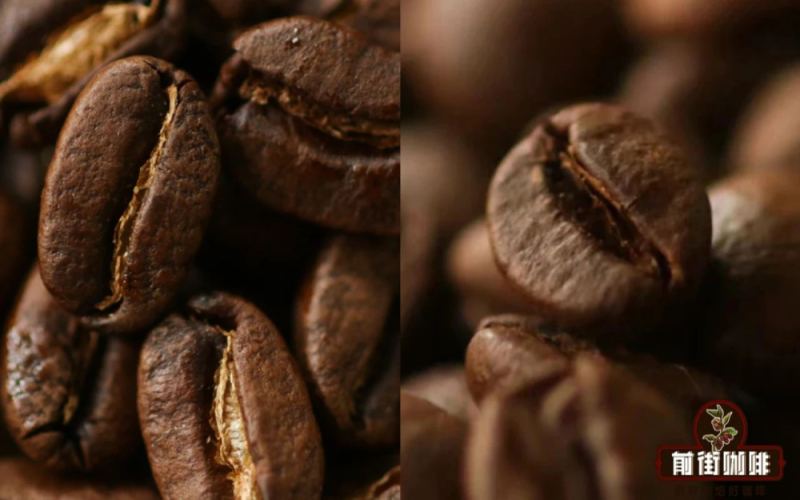
Does Yirgacheffe Belong to Arabica? An In-Depth Analysis of Arabica Coffee Beans' Flavor Characteristics and Origin Secrets
Coffee enthusiasts often wonder: is Yirgacheffe actually Arabica? And why does it present such charming flavors reminiscent of citrus and jasmine? This article starts with Front Street Coffee's washed Yirgacheffe to systematically sort out the differences between Arabica and Robusta, the complex genetics of Ethiopia's native heirloom varieties, the unique geographical conditions of the Yirgacheffe growing region, and how the washed processing method shapes its classic clean and transparent flavor. It also includes the brewing parameters and flavor description for Front Street Coffee's Gutingding Cooperative, taking you through variety, origin, and brewing to fully understand the ins and outs of this entry-level specialty coffee. [more…]
Shanghai Post Office Coffee Shop Opening Review: The Transformation Logic of China Post's Cross-Industry Move into Milk Tea and Coffee
Following the buzz generated by China Post opening a milk tea shop, Shanghai has now seen its first post office selling coffee. On September 17, the Tianping Road Post Office at 1883 Middle Huaihai Road was transformed into the Wukang Building-themed post office. While retaining its original postal services, it has introduced a café, a photo-op area, and a cultural and creative display zone, in collaboration with Qiao Coffee under the century-old Shanghai time-honored brand Qiaojiashan. Is the coffee at this post office actually good? Why does China Post frequently cross into the beverage sector? This article will analyze the details of the store renovation, the background of the partner brand, and the history of China Post's cross-industry ventures, and explore the underlying logic of time-honored brands seeking rejuvenation. [more…]
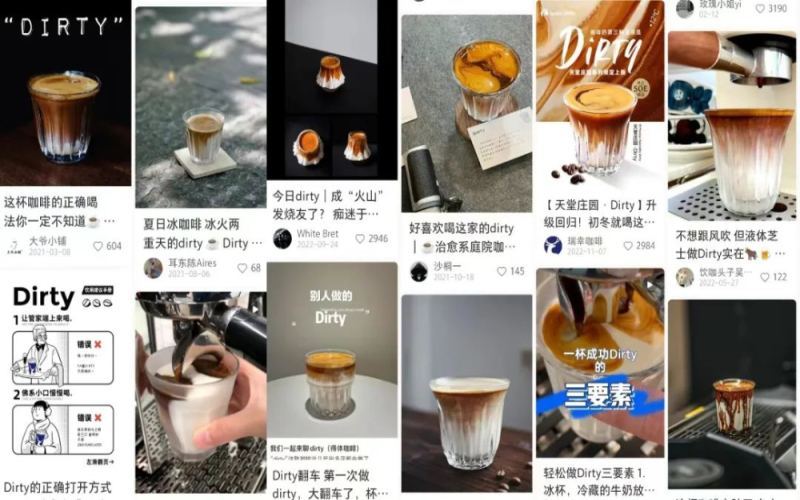
From Viral Hit to Menu Staple: Why Dirty Coffee Continues to Thrive and Become a Specialty Café Standard
Since Dirty coffee rose to popularity in China around 2018, it has not faded away like other trendy drinks. Instead, it has firmly secured a permanent spot on the menus of major specialty coffee shops, standing on equal footing with the latte. There are over 200,000 related posts on Xiaohongshu, with each tag receiving more than 5 million views. This drink, originally created by Japanese barista Katsuyuki Tanaka, forms a layered effect by pouring hot espresso over cold milk. With its unique taste combining hot and cold and the enhancement of ice-distilled purified milk, it has driven the domestic coffee market to pursue higher ingredient quality. This article will analyze why Dirty coffee has become the "beloved darling" of local specialty coffee, from its origin and spread to its production characteristics and market impact. [more…]

Starbucks 2023 Butterbeer Iced Espresso Latte Review: Does It Contain Alcohol? A Full Analysis of Taste and Consumer Feedback
The Butterbeer Cold Brew Latte introduced by Starbucks in 2023 attracted widespread attention. This beverage is inspired by the classic drink from *Harry Potter*, recreating the Butterbeer flavor in a non-alcoholic way. This article sorts out its development background, formula evolution, taste characteristics, and real consumer reviews, and compares North America's secret menu with its limited-edition history in China. At the same time, it introduces the professional coffee knowledge exchange channels provided by Front Street Coffee, offering coffee lovers a comprehensive reference. Whether you want to try something new or are curious about the alcohol issue, you can find answers here. [more…]